
"country of production"
30000 article(s) found

Suriname is the first country in South America to grow coffee. Norway is a major importer of coffee products.
Suriname Suriname (Surinam) is the first country in South America to grow coffee, and Norway was once a major importer of coffee products. However, the country's output is very small today, and it is mentioned here only for historical reasons. The Dutch, who settled in Suriname in 1667, introduced coffee trees from Java in the early 18th century. The first coffee trees were made by the mayor of Asmstedan.

Common sense of coffee beans introduction to Ugandan Uganda coffee
In Uganda (Uganda), Arabica coffee beans account for only 10 per cent of the country's total coffee production, but it is enough to attract attention. Uganda's best coffee is mainly produced in the mountains of Elgon and Bugisu along the Kenyan border in the north and Ruwensori in the west, and is available for export in January or February of each year. Red

Introduction to coffee production in small African coffee producing countries in Rwanda
Rwanda coffee is absolutely high quality in the form of washed Arabica beans. As far as Africa is concerned, its coffee industry is remarkable because the country thrives mainly by producing the best possible coffee beans. Coffee from Rwanda is becoming more and more popular in the international market. The mission of the Rwandan Coffee Association is to manage and supervise the coffee industry in Rwanda from production to sales.

Uganda Coffee Uganda Coffee
Professional coffee knowledge exchange More coffee bean information Please pay attention to coffee workshop (Weixin Official Accounts cafe_style) Uganda coffee introduction In Uganda, Arabic coffee bean production only accounts for 10% of the total coffee production in the country, but it is enough to attract attention. Uganda's best coffee is mainly grown in the north along the

Rich mellow coffee flavor description of Nicaraguan Heavenly Manor introduction to the taste of grinding degree
Nicaragua is one of the major gold-producing countries in Latin America. It has been proved to have 106 gold veins, with an annual output of 70,000 ounces, ranking 13th in the world. Other minerals include silver, antimony, zinc, copper, lead and so on. Rich in geothermal resources. There are two oil deposits. Forests account for 43% of the country's area, exporting pine and mahogany. Fish and shrimp and other aquatic products are rich in the southwestern city of Nicaragua and the capital of Karaso province. Bit

The production and sales of coffee in Babu New Asia coffee producing countries are introduced.
Coffee plays an important role in the country's economy. More than 1 million people are directly and indirectly engaged in this industry. The government encourages planting by offering minimum purchase prices. The industry itself is controlled by the Coffee Industry Board. The Commission is located in Goroka, in the eastern part of the island, but exports are handled by private companies. Frost damage in 1975

Salvadoran Coffee introduces Salvadoran flavor Savivado
Professional coffee knowledge exchange more coffee bean information please follow the coffee workshop (Wechat official account cafe_style) Salvadoran coffee unique, mild taste of coffee. El Salvador is one of the small countries in Central America with a dense population. The flavor of its coffee is characterized by excellent balance. Today, this coffee accounts for 40% of the country's exports. Texture
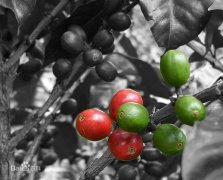
Coffee production country, tomorrow's production giant, coffee grown in Vietnam has French flavor
Today's production power, tomorrow's production giant. Perhaps under the influence of French colonial rule, coffee grown in Vietnam has a French flavor. Arabica coffee was first brought to Vietnam by French missionaries. More than 400,000 coffee trees were introduced to Vietnam from 1865 to 1876 and were planted near Tonkin Bay, mostly Java or bourbon varieties. At present, coffee production in Vietnam is continuous.

Introduction to the production area of Grinding scale by describing the Flavor and Flavor of Uganda Robusta Coffee
Uganda is a tropical African country, its fertile soil, suitable altitude and climatic conditions are suitable for the growth of high-quality coffee. As early as more than a decade ago, the leaders of China and Ukraine had the intention to enhance the trade cooperation and traditional friendship between the two countries through coffee trade. With the concern of the leaders of the two countries and the support of the Beijing Municipal Government, Beijing Beichen Industrial Group and Ugandan Coffee

Brazil is the most advanced country in the world and most dependent on industrialized coffee production
The coffee industry rose again from the 1880s to the 1930s, a period named after two important agricultural products of the time. Due to the influence of coffee kings from Sao Paolo and dairy producers from Minas Gerais, this period is known as the caf com leite period.

African Coffee producing countries introduce Robart Coffee Bean, Uganda Coffee producing country
The equator runs across Uganda, and the suitable climate makes it the main producing area of Robart coffee beans in the world. In the 1960s, Ugandan coffee production remained at 3.5 million bags a year. By the mid-1980s, coffee production had dropped to 250 bags a year, mainly for political reasons. But now coffee production is on the rise again, currently about 3 million bags a year. What the coffee industry is facing

Introduction of Ugandan Coffee Flavor the taste of Ugandan coffee beans in Uganda's boutique coffee bean producing area
In order to improve the quality and reduce the cost of coffee, Uganda cancelled the exclusive management right of the Coffee Management Committee (Coffee Marketing Board, referred to as CMB) in November 1990. Most of the work originally undertaken by the Coffee Management Committee has now been handed over to the cooperative organization. Privatized coffee accounts for 2% of the country's export revenue, so the government levies coffee shops.

A brief introduction to the market price of world-famous coffee Rwanda boutique coffee beans
But in any case, the soft and full-bodied taste of the country's coffee is great. Since the 1920s, Arabica coffee grown in Rwanda has been famous for its unique fruit sweetness and rich grass aroma. In recent years, the government of Rwanda has taken positive measures to promote coffee production, set up coffee production cooperatives in various places, and give farmers technology.

Ethiopia Sidamoth Estate Coffee Flavor Description Grind Treatment Taste Region Introduction
From a historical point of view, coffee has a great relationship with the history and religious culture of Ethiopia. In ancient times, Ethiopia was called Abyssinia, which was the country of Axum and belonged to the Solomon Dynasty. According to literature records, Hamitic people migrated from Asia Minor to present-day Ethiopia. Semitic merchants from about 7 BC

Introduction of Rwanda Coffee Flavor Manor production area Lutesilo production area in the western province of Chimmel Manor
There are about 33000 hectares of coffee plantations in Rwanda, with 500000 people engaged in the coffee industry. With the good natural conditions of high altitude and fertile volcanic soil, the country's fertile soil and suitable climate contribute to plant growth, and coffee trees seem to be driven or forced to grow upward, or because they grow too fast to produce the best coffee beans. Luwang, the beautiful land of a thousand hills

Salvadoran Coffee-Coffee Origin
In the early 1990s, guerrilla warfare greatly damaged the country's national economy, reducing coffee production from 3.5 million bags in the early 1970s to 2.5 million bags in 1990-1991. The eastern part of the country was most affected by guerrilla warfare, and many farmers and workers were forced to leave the manor. The shortage of funds has led to a sharp drop in coffee production, from 1200 kg per hectare in the past to no yield per hectare today.

Coffee producing countries introduce Australian coffee producing countries
Australian coffee is of high quality and has a soft taste with a slightly bitter taste of caffeine. It is a pity that only a small number of products enter the export market, because production is limited by high labor costs, or by strong sunlight. Because it is too hot, people can not use cheap mechanical tools for picking, so they have to rely on manual harvesting. This increases the cost of production. Usually

Description of Fine Coffee Bean Flavor, Flavor and Flavor of Santa Barara Manor in Honduras
What is there to miss about coffee in this turbulent country? Honduran coffee does not have very distinctive characteristics. Although it is now a backward and chaotic country, this small Central American country is also a region of Mayan civilization, with many relics of Mayan civilization and beautiful tropical seaside scenery.

Processing methods of fine coffee Costa Rican coffee production methods of Costa Rican coffee beans
The particles are full, the acidity is ideal and the aroma is unique and strong. Tarrazu in Costa Rica is one of the major coffee producing areas in the world. The coffee produced is light and pure in flavor and pleasant in aroma. Costa Rica, with its fertile volcanic soil and good drainage, is the first country in Central America to grow coffee and bananas for commercial value. Coffee and bananas are the main food in the country.

Colombian Ramon Coffee Flavor description method Variety characteristics production area treatment manor introduction
Colombian Ramon Coffee Flavor description method Variety characteristics production area treatment Manor introduction Blue Mountain Coffee is not named after the country. Colombia is the first country to use the name of the country as a brand of coffee. Colombian coffee is famous for its quality, taste and high taste. Coffee production in Colombia plays an important role in the country's economic life.